Drilling and Equipping Water Wells
We follow an execution path of sequential phases that ensures proper completion, from the legal paperwork to a tested, working well.
Request a quotation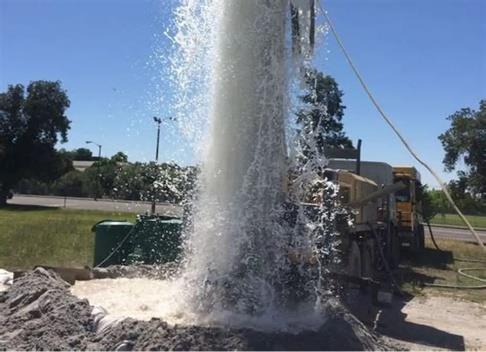
Site Assessment
We check our Hydrogeological Information System, conduct a field survey, check the legal aspects, then apply for formal approval from the concerned ministry.
Locating Underground Water
Examining the site and hydrogeological maps, then using specialized tools to locate the underground basin of usable water.
Rig Setup
Cleaning the workspace, leveling the drilling machine (rotary or hammer), and setting up mud and drainage sewers and pits.
Hole Drilling
Drilling until water is found.
Well Casing
Inserting metal, PVC, stainless steel or other pipes to let the water in and stop loose dirt and sand from caving in. Done alongside drilling.
Grouting
Sealing the space outside the pipe with clay or cement, depending on the site's geological structure.
Pump Setup
Selecting the right submersible or surface pump based on water volume / depth tests and the output the customer needs.
Wellhead Cap Setup
Sanitary seals of concrete aprons and secure caps to block dirt, insects and runoff contamination.
Power Systems Setup
Installing grid, diesel generator, and / or solar panels to run the pump.
Control & Automation
Water level sensors, float switches, digital timers, pressure switches and dry-run protection.
Water Filters Setup
Installing filters, if needed, to clean the well water.
Final Testing
Checking mechanical and electrical systems against technical standards and the customer's satisfaction.
Solar Power Systems for Well Pumps
We ventured into renewable energy because it is eco-friendly, it reduces our clients' operating costs, and it works well in remote regions.
- Site selection: accessible, unobstructed, strong year-round sunlight, room to expand
- Installing the metal mounting structure
- Mounting and anchoring the panels against the weather
- Control panel, inverter, AC output reactor, batteries and protection devices
- Wiring the system
- Final tests and fine-tuning before handover

General Maintenance
Preventive and corrective maintenance, in-house and / or onsite, covering the wells' electro-mechanical operating systems:

Hydrogeological Research and Studies
Scientific investigations that tell you where the water is, how much there is, and whether drilling is worth it.
Request a study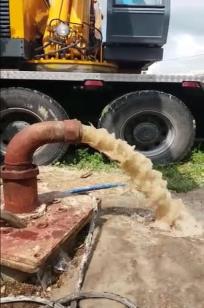
Groundwater & Well Placement
Locating viable aquifers and optimal drilling depths to maximize the success rate of domestic, agricultural or industrial boreholes.
Recharge & Flow
Tracking how rain and surface water refill underground supplies and which way the water flows.
Resource Quantification
Measuring aquifer capacity, yield and safe extraction limits to prevent over-pumping and depletion.
Water Quality & Geochemistry
Testing for minerals, salinity, heavy metals and pollutants to ensure the water is safe for its use.
Aquifer Characteristics
Measuring how fast water moves through rock, sand or soil: permeability and porosity.
Environmental Impact
How construction, urban development or mining will affect water tables, streams and ecosystems.
Execution steps
Review of Available Data
Our Hydrogeology Information System, official maps and satellite data.
Geophysical Surveys
Non-invasive tools such as electrical resistivity to detect rock layers without digging.
Drilling & Borehole Tests
Exploratory wells to inspect physical samples of soil and rock.
Aquifer / Pump Tests
Pumping at a controlled rate to see how the level drops and recovers: the true yield.